- Home
- Solutions
- Industries
- Case studies
- About us
Who we are
Explore SBL's story
- Contact us
Explore SBL's story
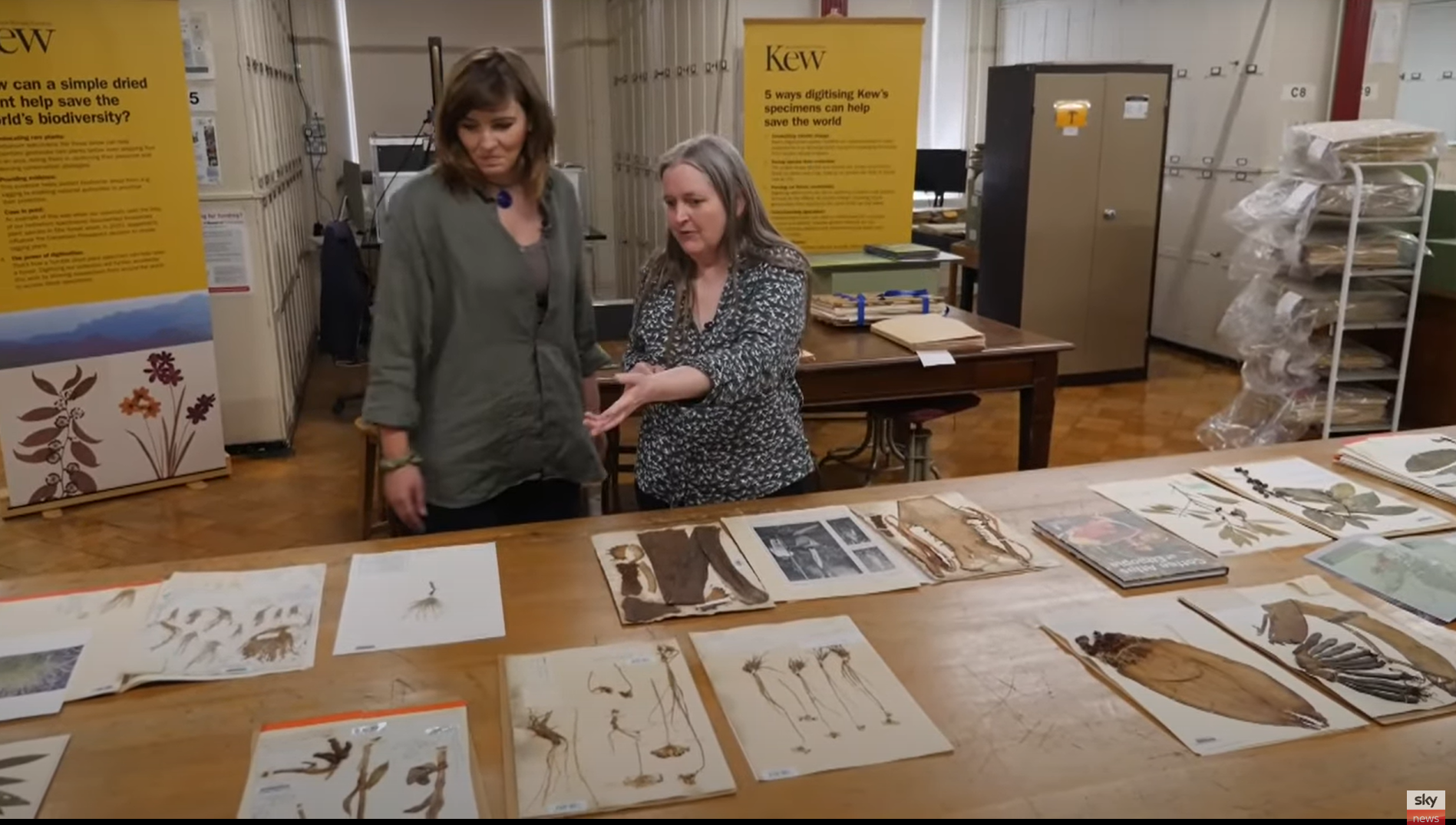
The Royal Botanic Gardens Kew’s herbarium digitization project has garnered widespread acclaim, including features on the BBC and several leading news channels, for its innovative approach to preserving over six and a half million plant specimen sheets. This high-profile initiative underscores the importance of digitization in archival conservation, making invaluable botanical history accessible worldwide. The discovery of specimens signed by luminaries like Charles Darwin highlights the project’s contribution to both scientific research and cultural heritage. This case study encapsulates the project’s transformative impact on the Royal Botanic Gardens Kew, showcasing the seamless fusion of technology, historical preservation, and global accessibility.
This long-term project is being conducted in collaboration with our UK-based partner, Max Communications.
Education, conservation & research
1200+
London, England
Artificial Intelligence, Business Process Management
Digitization
2022 to 2026 (Ongoing)

This large-scale global project presented an array of challenges for us to tackle, including:


While the project is ongoing, it has already resulted in a multitude of benefits:


The history of the Royal Botanic Gardens, Kew dates back to the early 18th century, where it began as a royal palace. It was declared a UNESCO World Heritage Site in 2003. Today, it is a globally renowned scientific institution for plant and fungal research, with over 50,000 living plants across its gardens.
In addition to our secure, ISO-certified production centres right across India, we have office locations in the UK, USA, Australia and the Middle East, with plans to expand into Europe, Canada, South America and Asia in the very near future.


@2024 SBL USA. All Rights Reserved.