Kew Gardens Herbarium Digitization

Unveiling Botanical Treasures and Advancing Climate Research

Abstract

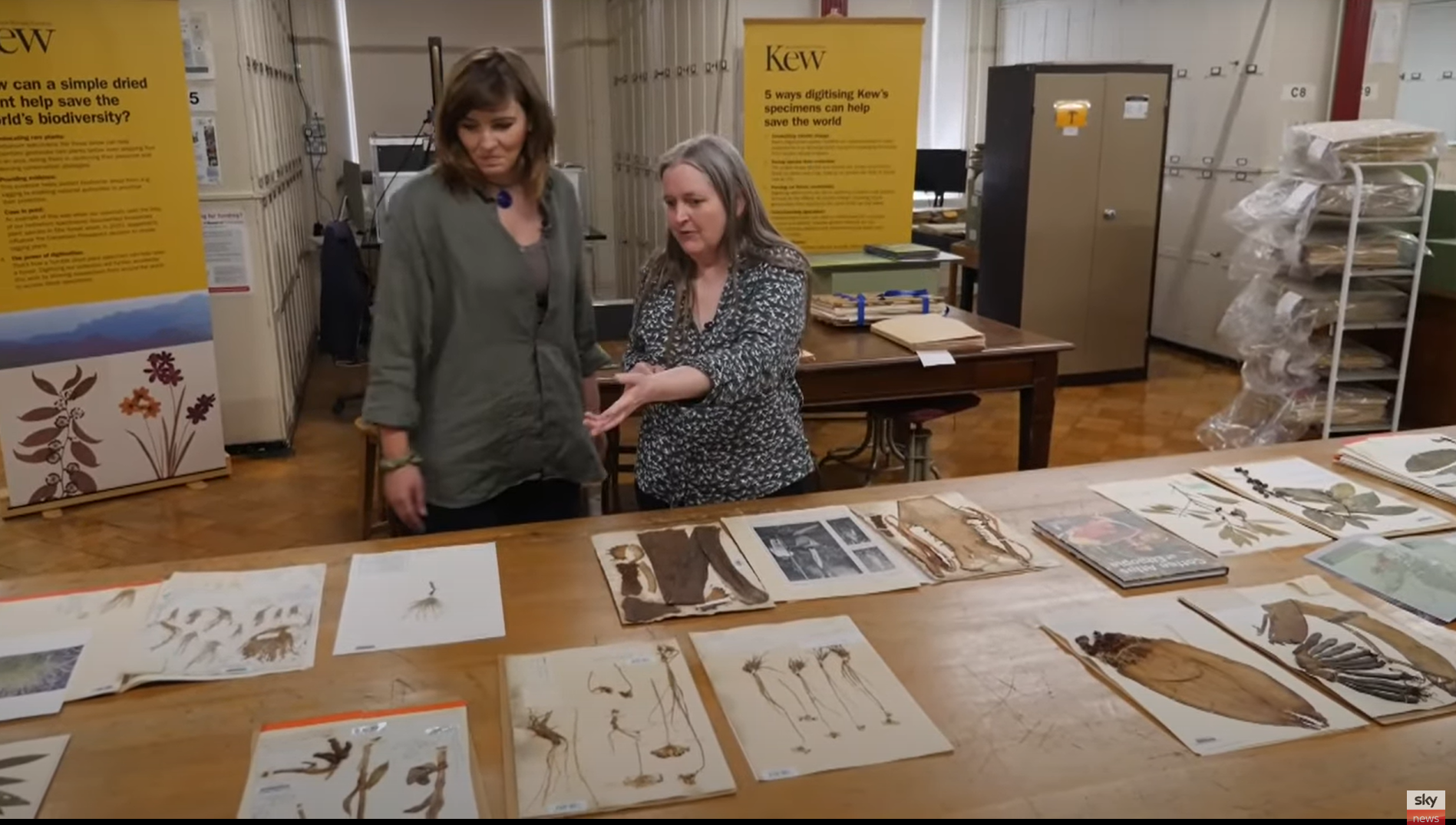
The Royal Botanic Gardens Kew’s herbarium digitization project has garnered widespread acclaim, including features on the BBC and several leading news channels, for its innovative approach to preserving over six and a half million plant specimen sheets. This high-profile initiative underscores the importance of digitization in archival conservation, making invaluable botanical history accessible worldwide. The discovery of specimens signed by luminaries like Charles Darwin highlights the project’s contribution to both scientific research and cultural heritage. This case study encapsulates the project’s transformative impact on the Royal Botanic Gardens Kew, showcasing the seamless fusion of technology, historical preservation, and global accessibility.

This long-term project is being conducted in collaboration with our UK-based partner, Max Communications.

Industry

Education, conservation & research

Number of Employees

1200+

Country/Region

London, England

SBL Services Used

Artificial Intelligence, Business Process Management

Sub-service

Digitization

Duration

2022 to 2026 (Ongoing)

  • The Challenge
  • The Approach
  • The Result

The Challenge

This large-scale global project presented an array of challenges for us to tackle, including:

  • Data Capture Scope: Determining the extensive data capture required for
    meaningful digitization posed initial planning challenges.

  • Handwriting Decipherability: Age-old handwriting styles on specimen
    sheets presented significant deciphering challenges.

  • Timeline Management: Adhering to ambitious project timelines while
    ensuring quality and completeness of the digitization process.

  • Technical Adaptation: Adapting and training staff to utilize advanced
    digitization and transcription software effectively.

  • Collaborative Coordination: Ensuring seamless collaboration between
    Kew, its digitization partner (Max Communications), and other stakeholders for streamlined project execution.

The Approach

  • Utilization of technology: Adopted a cloud-based online transcription interface to facilitate transcribers to work from various locations around the clock.

  • Advanced Capturing Software: Implemented cutting-edge capturing
    software to ensure immediate availability of specimens for Quality Assurance once digitized, streamlining the workflow from capture to
    cataloging. 

  • Collaborative Framework: Established a strategic partnership with a digitization specialist in the UK, leveraging their expertise to refine the project’s scope and execution strategy.

  • Focus on Handwriting Analysis: Deployed specialized tools and trained personnel to decipher historical handwriting styles, ensuring accurate
    transcription of age-old documents. 

  • Continuous Project Management Optimization: Utilized agile project
    management techniques to monitor progress, address challenges promptly, and stay ahead of the scheduled milestones. 

  • Data Integrity and Quality Assurance: Emphasized rigorous quality control
    measures throughout the digitization process to maintain data accuracy
    and integrity.

  • Scalability and Flexibility: Designed the digitization framework to be scalable, accommodating the vast number of specimens and adaptable to future technological advancements. 

  • Training and Capacity Building: Conducted extensive training sessions
    for project staff on the use of digitization and transcription technologies to enhance efficiency and accuracy. 

  • Stakeholder Engagement: Maintained ongoing communication with
    stakeholders at the Royal Botanic Gardens Kew, scanning partner and the wider scientific community to align project outcomes with research and educational needs. 

  • Sustainability Consideration: Ensured that the digitization approach was sustainable, with minimal environmental impact, and facilitated long-term access to and preservation of botanical knowledge.

The Result

While the project is ongoing, it has already resulted in a multitude of benefits:

  • Preservation of Historical Archives: Ensured long-term preservation of plant specimens, including historically significant sheets signed by Charles Darwin.
     
  • Global Accessibility: Digitized collections are accessible worldwide, facilitating advanced research and education across borders.

  • Discovery of Historical Treasures: Unearthed specimens signed by notable figures. These enrich the collection’s historical and scientific value.

  • Efficiency in Project Management: By incorporating cutting-edge software in managing large-scale digitization, we were able to meet expectations ahead of schedule.

  • Production Improvement with AI : Combining human talent and in-house AI implementation significantly increased production efficiency, reducing the dependency on manual Quality Control by 50%. This streamlined the digitization process, and ensured a higher throughput of accurately digitized specimens.

None of this would have been possible without a professional, motivated, and well-trained team, as well as strong professional relationships with partners at Kew and SBL. A huge and heartfelt thank you goes out to all involved. ​
Suren Abrahamayan
Operations Manager, Max Communications

About the Client

The history of the Royal Botanic Gardens, Kew dates back to the early 18th century, where it began as a royal palace. It was declared a UNESCO World Heritage Site in 2003. Today, it is a globally renowned scientific institution for plant and fungal research, with over 50,000 living plants across its gardens.

Contact Us

Join the ranks of businesses that have experienced the transformative power of our solutions, and be next in line to elevate your operations to unprecedented levels of efficiency and profitability. Our tailored AI-driven strategies are designed to empower American enterprises and government agencies to overcome challenges and achieve their goals in the digital age. Connect with us today to explore how we can drive impactful outcomes for your organization.

    First Name*

    Last Name*

    Email*

    Phone*

    City*

    State*

    Job title*

    Company*

    Industry*

    Country*

    I'd like to discuss...*

    Message